
Introduction
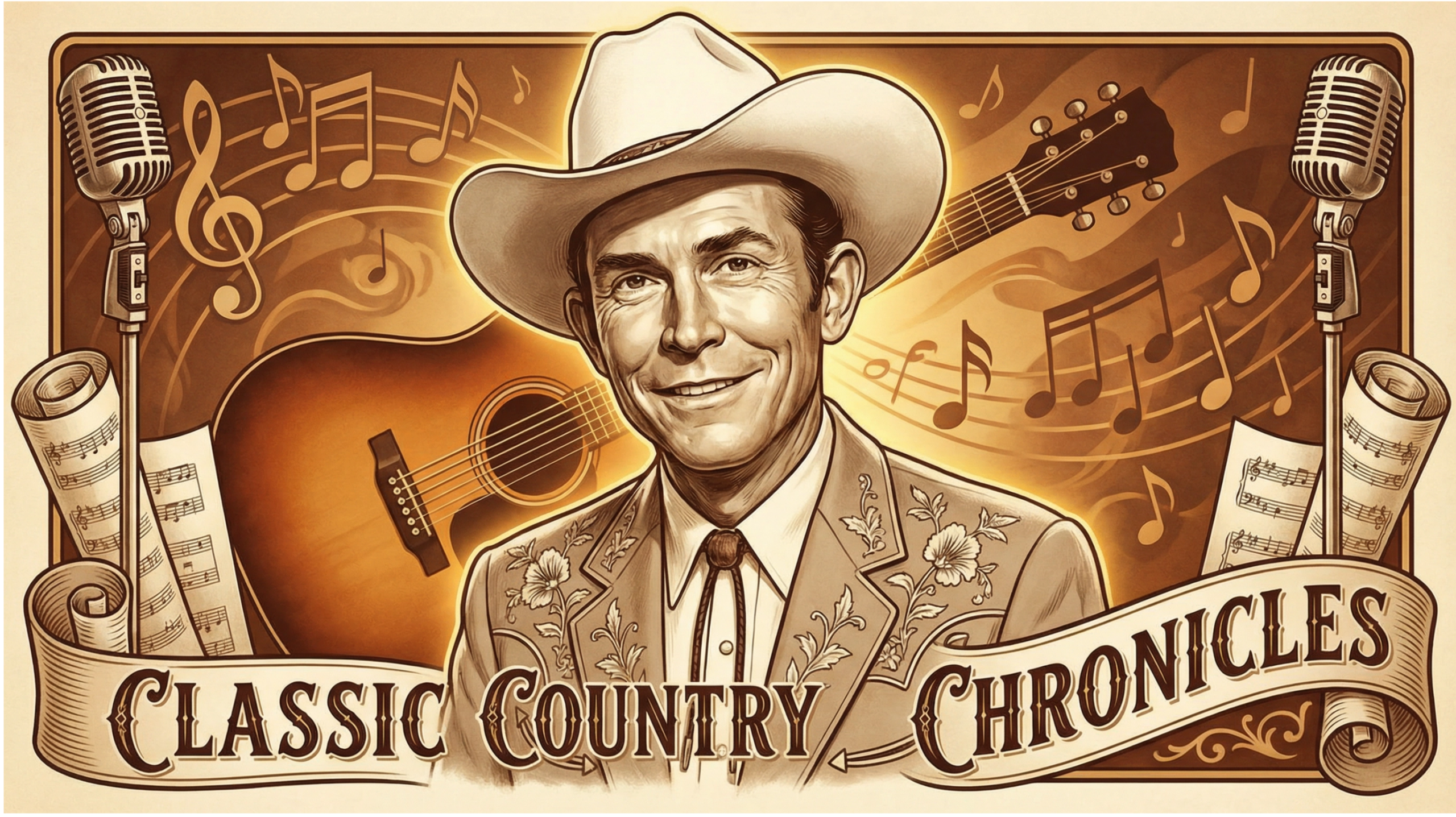
Hank Williams, a name that resonates with the very soul of country music, left an indelible mark on the genre despite a life tragically cut short. His raw talent, poignant lyrics, and distinctive voice resonated with millions, establishing him as a true pioneer and an enduring legend. This Hank Williams biography delves into the life, struggles, and unparalleled musical legacy of the man who forever changed the landscape of American music. From his humble beginnings in rural Alabama to his meteoric rise on the national stage and his untimely demise, Williams’s story is one of both triumph and profound tragedy. It’s a narrative that continues to captivate fans and influence artists across generations, solidifying his foundational impact on country music, shaping its sound and lyrical depth for decades to come.
Early Life and Musical Influences
Hiram ‘Hank’ Williams was born on September 17, 1923, in Butler County, Alabama. His childhood was steeped in the hardships of the Great Depression, but it was also rich with musical exposure. He learned to play guitar from Rufus ‘Tee-Tot’ Payne, an African-American street musician who introduced him to the blues and gospel. These early lessons, combined with the traditional country sounds prevalent in his upbringing, were instrumental in forging the unique musical style that would become his hallmark. For those curious, What was Hank Williams’ real name? It was indeed Hiram King Williams, though he adopted the more familiar ‘Hank’ early in his burgeoning career, a name that would soon become synonymous with country music greatness.
Rise to Stardom and Iconic Songs
Williams’s ascent to stardom was both rapid and remarkable. By the late 1940s, he had become a regular fixture on the Louisiana Hayride, a pivotal stepping stone that soon led him to the prestigious Grand Ole Opry. His prolific songwriting and electrifying stage presence resulted in a string of hit singles that quickly became anthems for a generation.
Hank Williams songs such as “Your Cheatin’ Heart,” “Hey, Good Lookin’,” “Jambalaya (On the Bayou),” and the haunting “I’m So Lonesome I Could Cry” are not merely classics; they are enduring cornerstones of country music.
These Hank Williams greatest hits powerfully showcased his extraordinary ability to articulate universal themes of love, loss, and profound longing with unparalleled honesty and deceptive simplicity. His consistent success on the Billboard charts was groundbreaking, firmly establishing his place as a national superstar.
Songwriting Style and Themes
Hank Williams’s songwriting was defined by its directness, emotional intensity, and a deep, intuitive understanding of the human condition. He possessed an uncanny knack for crafting deceptively simple yet profoundly powerful melodies that perfectly complemented his heartfelt and often autobiographical lyrics.
His music frequently explored themes of heartbreak, profound loneliness, and moral struggle, often mirroring the tumultuous events of his own life. He was an undisputed master of the honky tonk music style, seamlessly blending traditional country sounds with a raw, bluesy edge that was both irresistibly danceable and deeply moving.
When fans inquire, What songs did Hank Williams write? the answer encompasses a vast and timeless catalog of tunes that continue to be covered and revered by countless artists today, a testament to his enduring lyrical genius and melodic craftsmanship.
Personal Struggles and Health
Beneath the veneer of his immense musical success, Hank Williams waged a relentless battle against significant personal demons.
He suffered from severe, chronic back pain, a condition exacerbated by spina bifida, which tragically led to a debilitating reliance on alcohol and prescription painkillers. These profound struggles took an immense toll on his physical and mental health, his personal relationships, and ultimately, his meteoric career.
His life serves as a poignant example of the often-intertwined nature of artistic brilliance and profound personal torment.
As he famously quipped, a statement that perfectly encapsulates his philosophy: “To sing like a hillbilly, you had to have lived like a hillbilly. You had to have smelt a lot of mule manure.” This iconic quote underscores his belief that authentic country music stemmed directly from real-life experiences, no matter how harsh or unglamorous.
Death and Its Impact
The world was plunged into shock and mourning on January 1, 1953, when Hank Williams was discovered deceased in the back seat of his Cadillac at the tragically young age of 29. His official cause of death was attributed to heart failure, a condition severely exacerbated by his ongoing struggles with chronic alcohol and drug abuse.
How did Hank Williams die? His premature passing sent profound shockwaves throughout the entire music industry, marking the abrupt and heartbreaking end of a truly extraordinary talent.
Paradoxically, his death cemented his legendary status, transforming him from a troubled, brilliant star into an immortal icon whose powerful music would continue to resonate and inspire for countless generations to come.
Musical Legacy and Influence on Other Artists
Hank Williams’s musical legacy is quite simply immeasurable. He is universally regarded as a country music legend whose profound influence extends far beyond the traditional boundaries of country music, deeply touching genres such as rock and roll, blues, and folk.
Iconic artists ranging from Elvis Presley and Johnny Cash to Bob Dylan and countless contemporary musicians across various genres consistently cite his work as a primary and foundational inspiration. His raw honesty, lyrical directness, and innovative songwriting paved an undeniable path for future generations of singer-songwriters.
The pervasive Hank Williams influence can be distinctly heard in the authentic lyrical directness of modern country, the soulful cries embedded within rock ballads, and the rich storytelling tradition inherent in folk music.
Many have often pondered, Who influenced Hank Williams? His own influences were remarkably diverse, drawing from the deep wellsprings of gospel, the raw emotion of the blues, and the timeless narratives of traditional Appalachian folk music, all of which he masterfully wove into his singular and instantly recognizable sound.
Hank Williams’ Family and Enduring Lineage
Hank Williams’s profound musical legacy also extended powerfully through his family, creating an enduring lineage of talent. His son, Hank Williams Jr., courageously followed in his father’s colossal footsteps, carving out his own highly successful career as a country music artist, famously known for his distinctive outlaw country style.
Furthermore, his grandchildren, Hank Williams III, Holly Williams, and Hilary Williams, have also pursued their own musical endeavors, ensuring that the illustrious Williams family name remains prominently etched in the country music landscape. This remarkable multi-generational talent further solidifies the family’s profound and lasting impact on the genre, a testament to the genetic and artistic inheritance of a true musical dynasty.
Grand Ole Opry and Louisiana Hayride Performances
Hank Williams’s electrifying performances at the Grand Ole Opry Hank Williams and the Louisiana Hayride were absolutely pivotal moments in his burgeoning career. These hallowed stages provided him with an unparalleled platform to reach an ever-wider audience and to firmly solidify his burgeoning reputation as an utterly captivating and unforgettable live performer.
His electrifying stage presence, combined with his deeply heartfelt and authentic delivery, quickly made him an undeniable favorite among legions of fans, and his appearances at these venues rapidly became legendary. These iconic performances were absolutely instrumental in his meteoric rise to national prominence and played a crucial role in defining the very sound and visual image of early country music, setting a benchmark for future performers.
Conclusion
Hank Williams’s story is a powerful and enduring testament to the timeless power of music, even when confronted with immense personal adversity. His unparalleled talent, raw emotional honesty, and groundbreaking songwriting continue to inspire, move, and resonate with listeners worldwide. Despite his tragically short life, his profound influence remains as strong and vibrant as ever, firmly solidifying his place as one of the most important and revered figures in American music history.
We wholeheartedly encourage all readers to delve deeper into his extensive discography and to explore the timeless artistry of Hank Williams, a true legend whose iconic voice will undoubtedly echo through the hills and valleys of country music forevermore. His legacy is not just a chapter in music history; it is the very foundation upon which much of modern country music is built.
Leave a Reply